
Making Digital Efficiency Work for You




Written by: David Carneal – Digital Efficiency Consulting Group – DECG
Read Time: 3 min
Digital efficiency fails when it’s treated like a project with a finish line. It works when it becomes a habit: people notice friction, suggest fixes, test changes, and share what worked. Culture is the multiplier. Without it, tools just become expensive décor.
If the only time anyone talks about improvement is during a crisis, you don’t have a system. You have adrenaline. Culture replaces adrenaline with routine.
Signals You’re Building the Right Culture
- Ideas are welcomed before they’re evaluated.
- Small experiments are normal, not scary.
- Teams talk about waste openly (without blame).
- Leaders ask “what did we learn?” instead of “who messed up?”
- Fixes get documented so knowledge doesn’t disappear on vacation.
A Simple Operating Rhythm
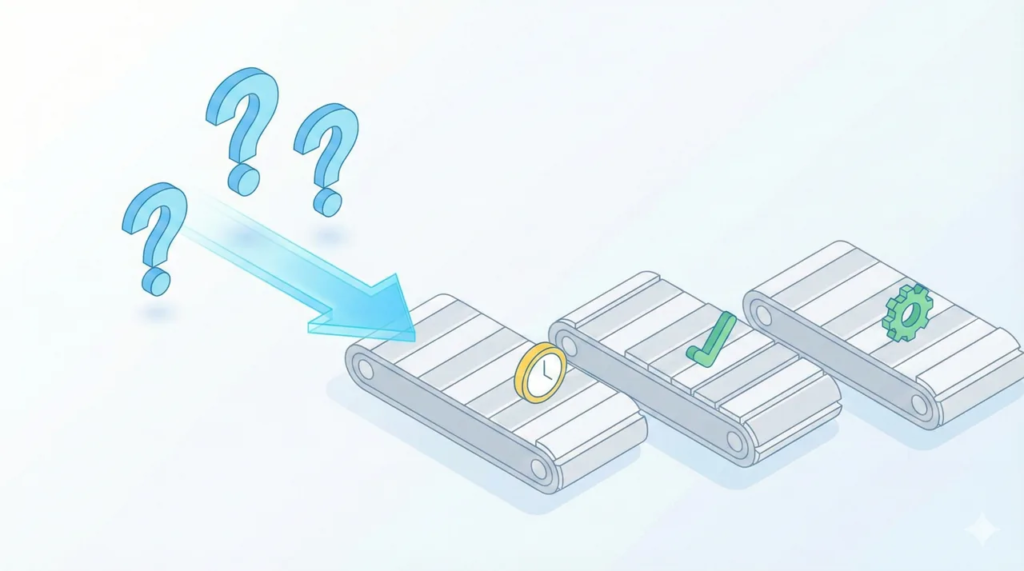
You don’t need a heavyweight program. You need a repeatable loop:
- Collect: keep a shared “friction backlog” where anyone can log a pain point.
- Choose: pick one small improvement to test each week or month.
- Test: run it as a time-boxed experiment with a clear owner.
- Measure: compare before vs after (time, errors, handoffs, customer impact).
- Share: document the change so it doesn’t vanish when someone is out.
Leadership Behaviors That Make It Stick
- Ask better questions
- “What’s slowing you down?” beats “Why is this late?”
- Protect time for improvement
- Even 30 minutes a week creates traction.
- Reward visibility
- Thank people for surfacing issues early, not only for heroic saves.
Close the Loop (This Is the Secret Sauce)
When someone submits an idea, they need to see what happened next. Even “not now” is better than silence. Silence trains people to stop contributing.
- Respond within a week
- Accepted, parked, or needs more info.
- Make wins visible
- A quick note: what changed, who helped, what improved.
- Recycle lessons
- If an experiment fails, capture why and try a smaller version.
Culture is built in the follow-through. The tool doesn’t create trust. The way you respond to ideas does.
Recognition That Reinforces the Habit
- Call out the behavior (surfacing waste early), not just the outcome.
- Share small wins widely so people see the loop working.
- Track a simple “ideas tested” count to prove momentum.
A Monthly Reset (Stop / Start / Continue)
Once a month, run a short review with the team:
- Stop
- Which step or meeting isn’t adding value anymore?
- Start
- What one small practice would reduce friction immediately?
- Continue
- What’s working that we should protect and standardize?
Common Culture Killers (Name Them, Then Fix Them)
- Ideas disappear into a void with no response.
- Improvement is treated as “extra work” instead of part of work.
- Only big projects get attention, so small wins die quietly.
- Metrics exist, but nobody uses them to make decisions.
How to Measure Culture Without Getting Weird About It
You don’t need a survey platform to know if the habit is forming. Track:
- Number of ideas submitted and tested per month.
- Time from idea to decision (speed matters).
- Repeat issues (are the same problems coming back?).
- Participation (are ideas coming from multiple roles, or just one person?).
CTA: Create a friction backlog and commit to one small test per week for the next month. The goal is momentum, not perfection: small improvements create real change when you actually repeat the habit.
Leave a Reply