
The Brick that Saves It's Self



Written by: David Carneal – Digital Efficiency Consulting Group – DECG
Read Time: 3 min
The moment ‘innovation’ turns into a comfort blanket
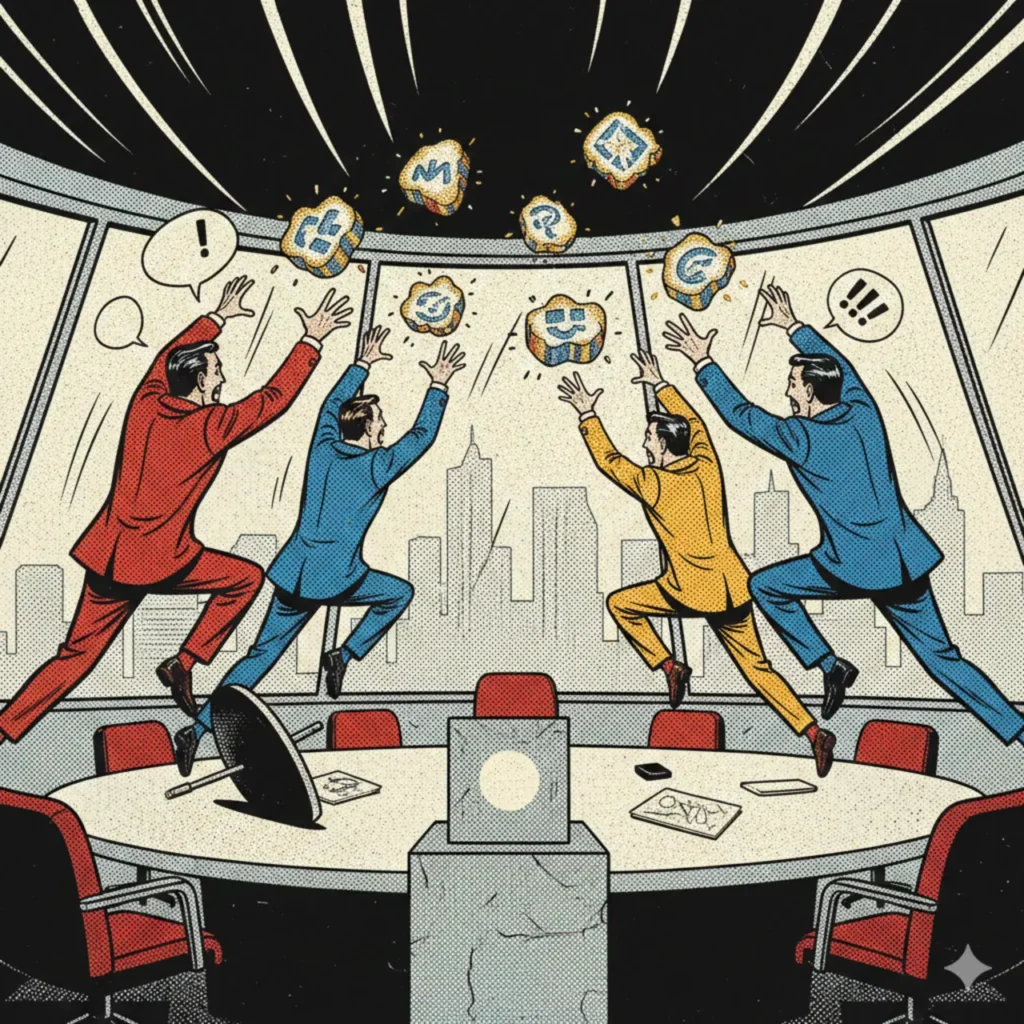
When results wobble, leaders often reach for ‘innovation’ the way people reach for snacks during a stressful movie: it feels productive, but it’s mostly coping.
LEGO chased new categories, new experiences, and new identities. The intent wasn’t evil. The timing was terrible.
Innovation is great. Uncontrolled innovation is a subscription plan for operational chaos.
A quick tell: are you building or flailing?
Here’s a fast test. If your teams are constantly ‘aligning’ but nothing gets simpler, you’re not innovating. You’re multiplying.
And multiplication is fine in math class. In operations, it becomes inventory, training, defects, and meetings that could have been an email that could have been a template that could have been… never created.
How initiative overload shows up in real life
On paper, initiative overload looks like ambition. In the building, it looks like whiplash.
Ops teams get new priorities every Monday, then get judged on yesterday’s priorities every Friday. People stop improving the system and start protecting themselves.
If your best employees have a sixth sense for which ‘top priority’ will be forgotten next week, your portfolio is already making decisions for you.
Use this 1–3 rubric before you greenlight the next shiny thing
Give each initiative a score. No decimals. No speeches.
- Score 1 (Distraction):
- No clear owner
- No measurable outcome tied to core business
- Creates new exceptions, new tools, or new SKUs
- Lives on meetings instead of results
- Score 2 (Maybe):
- Owner exists, but resources are borrowed and constantly interrupted
- Benefits are real, but dependencies are unclear
- Could be valuable if it reduces work, not adds it
- Score 3 (Core):
- Directly improves the core product/service delivery
- Has clear metrics (cycle time, quality, cost, customer experience)
- Reduces complexity or replaces something older
- Can be explained in one sentence without PowerPoint
One small fix: the Stoplight Portfolio
Put every initiative on one page with a stoplight color. Green stays funded and protected. Yellow is limited and time-boxed. Red is paused until something ends.
It sounds simple because it is simple. The benefit is that it forces the sentence leaders hate to say out loud: “We’re not doing that right now.”
If that sentence feels impossible, your strategy isn’t a strategy yet. It’s a wish list.
- Stoplight rules (keep them boring on purpose):
- Green: core, funded, measured weekly
- Yellow: experimental, measured biweekly, max 60 days
- Red: paused, no meetings allowed unless it becomes Green
Symptoms
- Common symptoms you’re in the Innovation Trap:
- Projects restart every quarter with a new name
- Every tool has a ‘pilot’ that never ends
- Work instructions are outdated because the workflow changes faster than documentation
- Teams keep parallel trackers because nobody trusts the official one
Intake
- Before approving anything new, require three things:
- What will we stop doing to make room for it?
- What existing process/tool does it replace?
- What is the ‘kill switch’ date if results don’t show up?
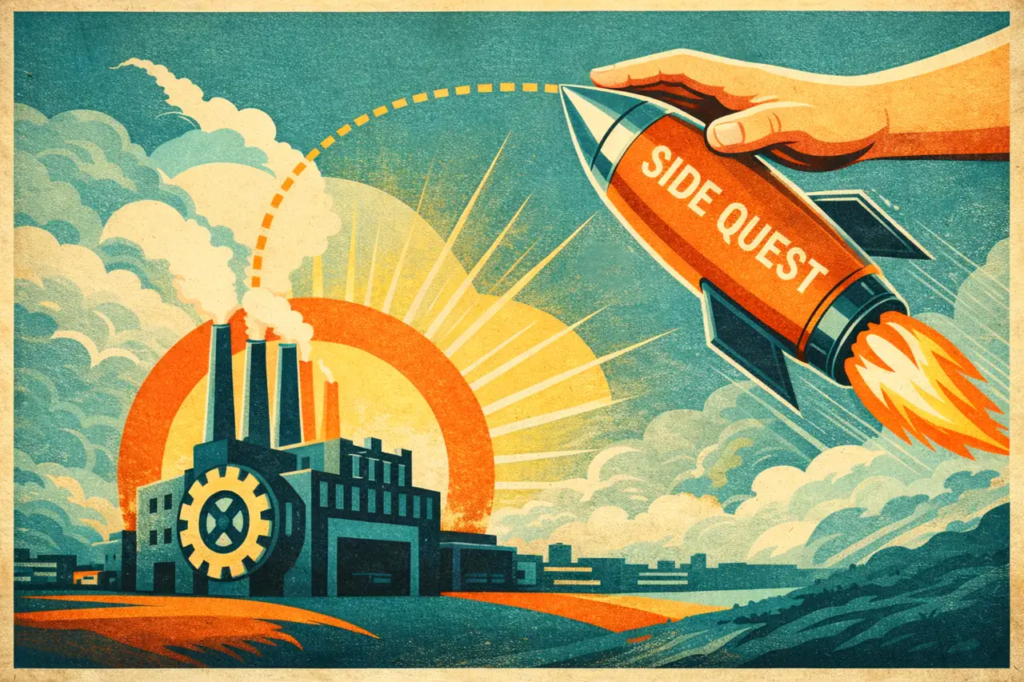
The most underrated leadership move isn’t starting. It’s stopping.
If you want innovation that actually pays rent, make it earn a spot. Anything else is just panic buying with a bigger budget.
Innovation should reduce friction over time. If it increases friction, it’s not innovation. It’s chaos in a blazer.
CTA: Score one active initiative today. If it’s a 1, pause it. If it’s a 3, protect it.
Footnotes
- The Guardian (2017) – How Lego clicked: the super brand that reinvented itself
- Harvard Business School / TOM (2015) – The LEGO Success Story: Getting Everything to Awesome!